Build a Computer From Scratch: Binary to CPU to Assembly [9/2026, ENG]
movies, software, shows...
Files
| 1 - Introduction | |||
| 1. Introduction.mp4 | 12.82 MB | ||
| 10 - From Breadboard to Real-World CPUs | |||
| 48. Physically Constructing Our Conceptual Computer.mp4 | 188.91 MB | ||
| 49. Naming and History of the Computer (SAP).mp4 | 77.55 MB | ||
| 50. The Original iPhone Processor.mp4 | 183.54 MB | ||
| 51. ARMv6 Overview.mp4 | 125.92 MB | ||
| 52. Hexadecimal Mini-Course.mp4 | 34.92 MB | ||
| 53. How Does Our CPU Draw to a Screen (Intro to MMIO).mp4 | 61.4 MB | ||
| 2 - Number Systems & Binary Arithmetic | |||
| 2. How Humans Represent Numbers (Decimal).mp4 | 48.68 MB | ||
| 3. How Computers Represent Numbers (Intro to Binary).mp4 | 50.22 MB | ||
| 4. Converting from Decimal to Binary.mp4 | 68.51 MB | ||
| 5. How Addition Works in Binary.mp4 | 31.82 MB | ||
| 6. Representing Negative Numbers in Binary.mp4 | 45.53 MB | ||
| 7. How to Negate a Number in Binary.mp4 | 6.88 MB | ||
| 8. How Subtraction Works in Binary.mp4 | 16.5 MB | ||
| 3 - Logic Gates & Building Circuits | |||
| 10. Constructing a Circuit Out of Logic Gates.mp4 | 16.89 MB | ||
| 11. Building a Selector With Logic Gates.mp4 | 44.9 MB | ||
| 9. Introduction to Logic Gates.mp4 | 43.19 MB | ||
| 4 - Building an ALU (Adders) | |||
| 12. Half-Adder Simple Binary Addition With Logic Gates.mp4 | 32.32 MB | ||
| 13. Where the Half-Adder Falls Short.mp4 | 7.76 MB | ||
| 14. Constructing a Full Adder.mp4 | 68.15 MB | ||
| 15. Chaining Adders Together for Multi-Bit Addition.mp4 | 64.23 MB | ||
| 16. Building a Full 8-Bit Addition Circuit (ALU).mp4 | 54.45 MB | ||
| 17. Enabling Subtraction in Our Circuit.mp4 | 208.99 MB | ||
| 5 - Sequential Logic & Memory Storage | |||
| 18. Introduction to Sequential Logic.mp4 | 17.87 MB | ||
| 19. Storing Data With Logic Gates (Latches).mp4 | 153.14 MB | ||
| 20. Introducing the Flip-Flop, a Better Latch.mp4 | 103.73 MB | ||
| 21. Bridging Back to the ALU.mp4 | 21.03 MB | ||
| 22. Saving the Output of Our ALU.mp4 | 89.18 MB | ||
| 23. Building a Circuit That Counts Numbers.mp4 | 69.99 MB | ||
| 6 - RAM, ROM & the Bus | |||
| 24. Random Access Memory (RAM).mp4 | 153.47 MB | ||
| 25. Building RAM From Logic Gates & Connecting RAM and the ALU.mp4 | 369.81 MB | ||
| 26. Connecting RAM and the ALU.mp4 | 35 MB | ||
| 27. Introducing the BUS.mp4 | 281.27 MB | ||
| 28. Adding a Display to Our Computer (7-Segment Display).mp4 | 221.72 MB | ||
| 29. Read-Only Memory (ROM).mp4 | 115.29 MB | ||
| 30. Making Our Display Stateful.mp4 | 178.75 MB | ||
| 7 - Instructions & the Instruction Set Architecture | |||
| 31. What Happens When We Start Chaining Operations.mp4 | 30.97 MB | ||
| 32. What are Instructions.mp4 | 6.87 MB | ||
| 33. The Instruction Register.mp4 | 21.6 MB | ||
| 34. Building the First Instruction for Our CPU.mp4 | 137.22 MB | ||
| 35. Synchronizing the Computer Introducing the Clock.mp4 | 90.48 MB | ||
| 36. Program Counter.mp4 | 78.95 MB | ||
| 37. Clock Timing of Our First Instruction.mp4 | 62.67 MB | ||
| 38. Designing the Instruction Set Architecture (ISA).mp4 | 79.3 MB | ||
| 39. Branching in Code.mp4 | 39.33 MB | ||
| 40. Adding a Flags Register to the ALU.mp4 | 115.77 MB | ||
| 8 - The Control Unit | |||
| 41. Introducing Control, the Brains of Our Computer.mp4 | 43.81 MB | ||
| 42. Implementing Control as ROM.mp4 | 194.39 MB | ||
| 43. In-Detail Timing of Each CPU Instruction.mp4 | 364.44 MB | ||
| 44. How Condition Instructions Are Implemented.mp4 | 134.65 MB | ||
| 9 - Writing & Running Real Programs | |||
| 45. Writing Our First Computer Program!.mp4 | 82.04 MB | ||
| 46. Executing Our First Program.mp4 | 260.3 MB | ||
| 47. Counting the Fibonacci Sequence on Our Computer.mp4 | 450.32 MB |
Description
Обучающие видео » Компьютерные видеоуроки и обучающие интерактивные DVD » Разное (Компьютерные видеоуроки)
Build a Computer From Scratch: Binary to CPU to Assembly
Год выпуска: 9/2026
Производитель: Udemy
Сайт производителя: https://www.udemy.com/course/build-a-computer-from-scratch-binary-to-cpu-to-assembly/
Автор: MasterMind Academy
Продолжительность: 11h 14m
Тип раздаваемого материала: Видеоурок
Язык: Английский
Описание: This course teaches computer architecture and digital electronics by having you build a complete 8-bit CPU from scratch using logic gates. It starts with the fundamentals—binary numbers, decimal-to-binary conversion, binary arithmetic, negative numbers, and two's complement—then moves into digital logic, where you build circuits from basic gates, create half adders and full adders, and combine them into an 8-bit ALU that can perform addition and subtraction. From there, you learn sequential logic by building latches, flip-flops, RAM, and ROM, and you create a bus architecture to connect the CPU's components together.
The second half focuses on assembling your CPU: connecting the ALU, memory, and bus, adding a 7-segment display, designing your own instruction set architecture, and building the instruction register, program counter, clock, and a ROM-based control unit with branching and CPU flags. You then write machine-code programs for your custom CPU, including generating sequences like Fibonacci, and see exactly how software instructions become hardware operations. The course ends by connecting your CPU to real-world computing through hexadecimal, memory-mapped I/O, the ARM architecture, the original iPhone's ARMv6 processor, and programming a real microcontroller to control physical hardware. No advanced knowledge of computer architecture or digital electronics is required—everything builds progressively from the fundamentals. It is aimed at beginners curious about how computers work, computer science and electronics students, embedded systems beginners, programmers wanting to understand hardware, and anyone who wants to build a computer from the ground up.
[spoiler="Содержание"]
1 - Introduction
1. Introduction (06:15)
2 - Number Systems & Binary Arithmetic
2. How Humans Represent Numbers (Decimal) (12:00)
3. How Computers Represent Numbers (Intro to Binary) (13:14)
4. Converting from Decimal to Binary (14:38)
5. How Addition Works in Binary (10:29)
6. Representing Negative Numbers in Binary (12:24)
7. How to Negate a Number in Binary (02:26)
8. How Subtraction Works in Binary (05:10)
3 - Logic Gates & Building Circuits
9. Introduction to Logic Gates (15:34)
10. Constructing a Circuit Out of Logic Gates (05:12)
11. Building a Selector With Logic Gates (15:39)
4 - Building an ALU (Adders)
12. Half-Adder Simple Binary Addition With Logic Gates (10:31)
13. Where the Half-Adder Falls Short (03:33)
14. Constructing a Full Adder (18:22)
15. Chaining Adders Together for Multi-Bit Addition (18:10)
16. Building a Full 8-Bit Addition Circuit (ALU) (12:19)
17. Enabling Subtraction in Our Circuit (23:52)
5 - Sequential Logic & Memory Storage
18. Introduction to Sequential Logic (07:37)
19. Storing Data With Logic Gates (Latches) (25:18)
20. Introducing the Flip-Flop, a Better Latch (16:56)
21. Bridging Back to the ALU (02:11)
22. Saving the Output of Our ALU (08:21)
23. Building a Circuit That Counts Numbers (05:59)
6 - RAM, ROM & the Bus
24. Random Access Memory (RAM) (29:07)
25. Building RAM From Logic Gates & Connecting RAM and the ALU (23:24)
26. Connecting RAM and the ALU (02:06)
27. Introducing the BUS (19:29)
28. Adding a Display to Our Computer (7-Segment Display) (16:47)
29. Read-Only Memory (ROM) (10:40)
30. Making Our Display Stateful (21:03)
7 - Instructions & the Instruction Set Architecture
31. What Happens When We Start Chaining Operations (03:35)
32. What are Instructions (02:16)
33. The Instruction Register (04:26)
34. Building the First Instruction for Our CPU (16:19)
35. Synchronizing the Computer Introducing the Clock (09:29)
36. Program Counter (08:03)
37. Clock Timing of Our First Instruction (06:34)
38. Designing the Instruction Set Architecture (ISA) (09:32)
39. Branching in Code (05:28)
40. Adding a Flags Register to the ALU (13:33)
8 - The Control Unit
41. Introducing Control, the Brains of Our Computer (05:17)
42. Implementing Control as ROM (20:48)
43. In-Detail Timing of Each CPU Instruction (47:25)
44. How Condition Instructions Are Implemented (13:35)
9 - Writing & Running Real Programs
45. Writing Our First Computer Program! (13:56)
46. Executing Our First Program (15:18)
47. Counting the Fibonacci Sequence on Our Computer (28:43)
10 - From Breadboard to Real-World CPUs
48. Physically Constructing Our Conceptual Computer (07:58)
49. Naming and History of the Computer (SAP) (06:10)
50. The Original iPhone Processor (15:52)
51. ARMv6 Overview (14:19)
52. Hexadecimal Mini-Course (06:35)
53. How Does Our CPU Draw to a Screen (Intro to MMIO) (09:54)
[/spoiler]
Файлы примеров: не предусмотрены
Формат видео: MP4
Видео: AVC, 1920x1080, 16:9, 30fps, 710kbps
Аудио: AAC, 44.1Hz, 128kbps, stereo
[spoiler="Скриншоты"]
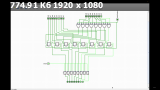
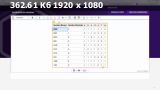
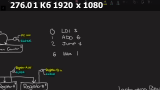
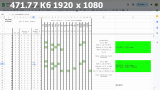
[/spoiler]
Related Torrents
| torrent name | size | uploader | age | seed | leech |
|---|---|---|---|---|---|
| 3.82 GB | unity321d | 1 week | 1 | 3 | |
| 1.98 GB | unity321d | 1 week | 3 | 4 | |
| 2.7 GB | freecoursewb | 2 weeks | 1 | 33 | |
|
Claude Code & Next.js: Build a Full-Stack Instagram Clone [4/2026, ENG] Posted by
unity321d in Other
|
7.52 GB | unity321d | 3 weeks | 0 | 5 |
| 3.43 GB | unity321d | 3 weeks | 2 | 2 |
All Comments